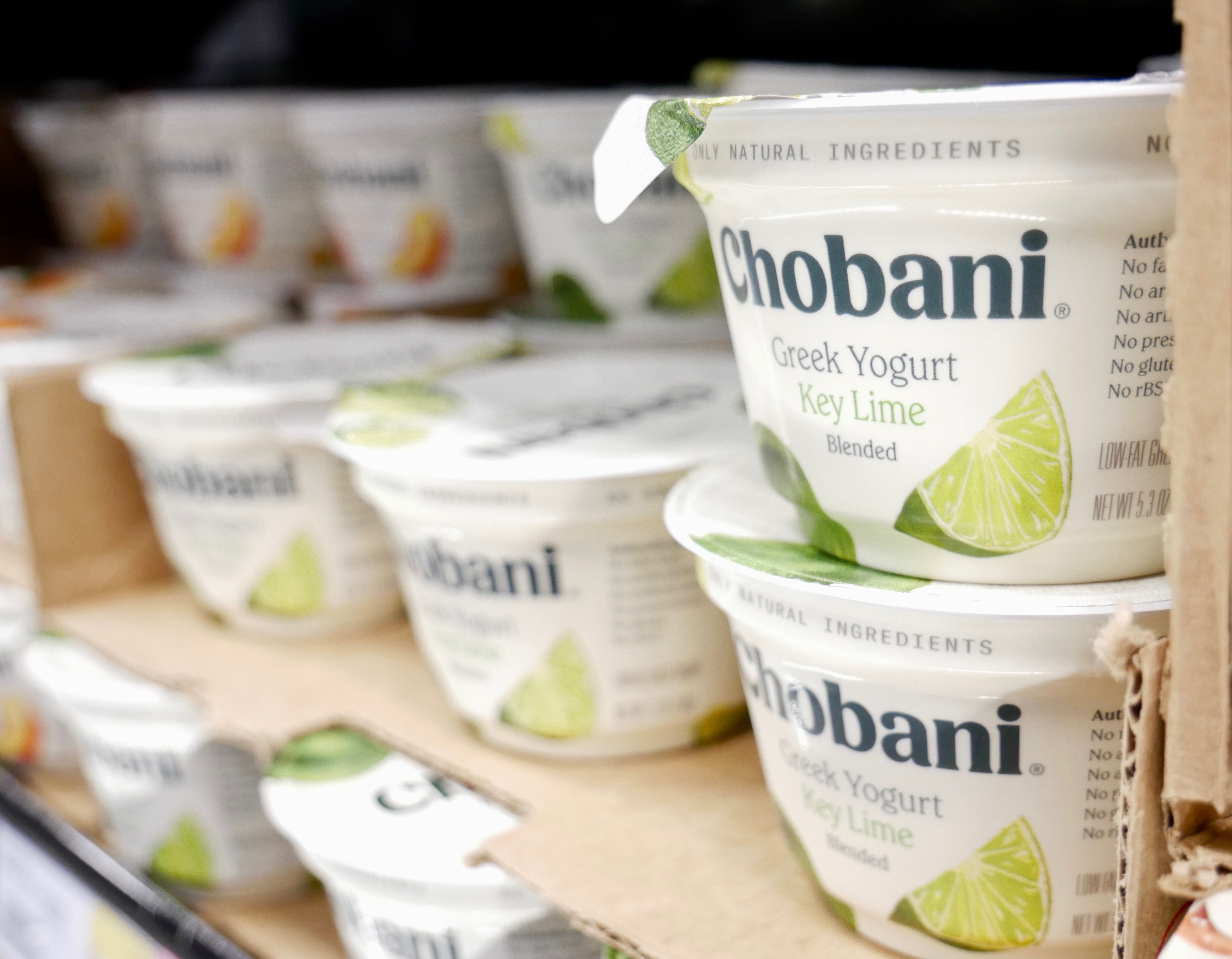
Is There a Chobani Cancer Lawsuit? A Context Check
In an age where information—and misinformation—travels at lightning speed, consumers are increasingly vigilant about the products they consume. Queries surrounding major brands and health concerns are common, and in this landscape, the question, "Is there a Chobani Cancer Lawsuit?" has emerged. This article aims to provide a comprehensive context check, examining the available public information to address this specific concern directly and offer valuable insights into how to navigate similar claims.
Our investigation, drawing from a review of legal databases, regulatory agency reports, and reputable news archives, indicates a consistent absence of information regarding a "Chobani Cancer Lawsuit." While the search term itself might gain traction, concrete evidence supporting the existence of such litigation against Chobani, specifically related to cancer claims linked to their products, appears to be non-existent in publicly accessible records.
The Core Question: Is a Chobani Cancer Lawsuit Real?
When a company as prominent as Chobani, a leader in the Greek yogurt market, faces allegations as serious as causing cancer, it would undoubtedly become a significant public and legal event. Such lawsuits, particularly those involving product liability and health claims, attract considerable media attention, feature prominently in legal filings, and often result in widespread public advisories or recalls by regulatory bodies like the FDA.
However, after extensive examination of readily available information, there is no credible evidence to suggest that a "Chobani Cancer Lawsuit" is currently active, has been settled, or has even been widely filed. Our research indicates that reports or official statements from legal firms, consumer protection agencies, or news outlets detailing such a lawsuit are absent. This lack of verifiable information is a crucial indicator, suggesting that claims circulating online may stem from misunderstandings, misinterpretations, or unsubstantiated rumors.
It's important to differentiate between general consumer complaints or isolated anecdotal experiences and a widespread, legally actionable product liability lawsuit. A genuine lawsuit of this magnitude would require substantial scientific evidence linking the product to the alleged harm, class certification if it affects many individuals, and formal court proceedings that are usually public record.
Unpacking the Origin of Such Queries: Misinformation and Rumors
The internet, while a powerful tool for information dissemination, also serves as a fertile ground for rumors and misinformation. A simple search for "Chobani Cancer Lawsuit" might yield results that initially seem relevant, but upon closer inspection, often point to unrelated topics or discussions that lack factual basis. For instance, sometimes a search query might inadvertently pick up on a hashtag or a passing mention within a social media post, leading to the perception of a broader issue.
Consider the potential for confusion stemming from:
- Social Media Buzz: Platforms like TikTok, X (formerly Twitter), or Facebook can amplify unverified claims. A single post questioning an ingredient or speculating about a health issue can quickly go viral, even without supporting evidence. The reference context itself mentions a "Chobani Greek Yogurt Cancer Recall" in a TikTok context, highlighting how unverified claims can appear, despite no official recall taking place.
- Misinterpretation of Recalls: Companies, including Chobani, occasionally issue recalls, but these are almost always for reasons unrelated to cancer—such as isolated quality control issues, potential spoilage, or mislabeling. For example, Chobani issued a voluntary recall in 2013 due to a mold issue that caused products to spoil prematurely, not due to cancer concerns. It's plausible that such past events, however unrelated, might be conflated or reinterpreted years later in online discussions.
- General Health Anxieties: Public concern about food additives, processed foods, and cancer links is high. Brands, particularly large ones, can sometimes become targets of generalized anxieties, leading people to search for specific links even when none exist.
It's crucial for consumers to recognize that an official product recall due to a cancer link would be announced by government regulatory bodies (like the FDA in the U.S. or similar agencies internationally) and would be widely reported by all major news outlets. The absence of such official announcements is a strong indicator that these cancer claims lack factual grounding.
What We Know: Chobani's Legal Landscape (Not Cancer-Related)
While a "Chobani Cancer Lawsuit" appears unsubstantiated, it doesn't mean Chobani, like any large corporation, is immune to legal challenges. Companies frequently engage in legal disputes, but these are typically commercial in nature, intellectual property battles, or related to employment and business practices.
For example, the reference context mentions a notable instance where the parent company of Dannon sued Chobani over a cold brew coffee slogan. This perfectly illustrates the type of legal actions major food companies are typically involved in:
- Trademark and Intellectual Property Disputes: Companies often go to court to protect their brand names, slogans, product designs, and recipes.
- Advertising and Marketing Claims: Competitors might challenge each other's advertising claims, as seen in the Dannon vs. Chobani case regarding a coffee slogan.
- Business Operations: Lawsuits can arise from supply chain issues, contractual disagreements, or labor practices.
These types of lawsuits are part of doing business in a competitive market and are distinctly different from serious product liability lawsuits alleging catastrophic health consequences like cancer. Understanding this distinction is key to evaluating the credibility of claims circulating online. The existence of legal activity involving Chobani in commercial matters should not be misinterpreted as evidence of product-related health lawsuits, especially those concerning cancer.
How to Verify Health Claims and Product Lawsuits
Given the ease with which unverified information can spread, developing a critical approach to health claims and potential product lawsuits is essential. Here are practical tips for consumers:
- Consult Official Sources:
- FDA Recalls, Market Withdrawals, & Safety Alerts: The U.S. Food and Drug Administration (FDA) website is the primary source for food-related recalls and safety alerts. Any major health threat linked to a food product would be listed here.
- USDA Food Safety and Inspection Service (FSIS): For meat, poultry, and egg products, the USDA provides similar recall information.
- Company's Official Website: Check Chobani's official website for any public statements regarding product safety, recalls, or responses to major allegations.
- Refer to Reputable News Organizations: Major national and international news outlets (e.g., The New York Times, The Wall Street Journal, BBC News, Reuters, Associated Press) have fact-checking processes and would report extensively on any significant product liability lawsuit against a major brand. Look for multiple sources corroborating the information.
- Search Legal Databases: For specific legal filings, platforms like PACER (for federal court records in the U.S.) or state court online databases can provide direct access to court documents, although navigating these can be complex for the average consumer. However, if a major class-action lawsuit were filed, it would likely be publicized by the law firms involved and appear on dedicated class-action lawsuit websites. For more in-depth exploration, you might consider reading Chobani Cancer Lawsuit: What Current Searches Reveal.
- Be Skeptical of Social Media and Unverified Websites: While social media can be a starting point, always cross-reference information found there with official and reputable sources before accepting it as fact. Websites that appear sensational or lack clear attribution should be viewed with caution.
- Understand the Difference Between Complaint and Lawsuit: A person complaining online about a product is not the same as a formal lawsuit being filed. Lawsuits involve specific legal procedures, evidence, and court action. Further details on evaluating claims can be found in Chobani Cancer Lawsuit Claims: Examining Available Data.
Beyond the Headlines: Understanding Product Safety and Consumer Vigilance
Food manufacturers like Chobani operate under strict regulatory oversight. In the United States, the FDA sets standards for food safety, labeling, and manufacturing practices. This includes guidelines for ingredients, contaminants, and proper handling to prevent foodborne illnesses.
Consumers play a vital role in maintaining food safety by:
- Reading Labels: Understanding ingredient lists and nutritional information empowers consumers to make informed choices.
- Reporting Concerns: If you genuinely believe a product has caused harm or is unsafe, report it directly to the manufacturer and relevant regulatory bodies (like the FDA's consumer complaint coordinator). This initiates an official investigation process.
- Staying Informed: Regularly check official recall databases and subscribe to reliable consumer alerts.
While it's healthy to be vigilant and question product safety, it's equally important to distinguish between legitimate concerns backed by evidence and unfounded rumors. A company's responsibility to public health is paramount, and any credible threat would be addressed with urgency and transparency by both the company and regulatory bodies.
Conclusion
Based on our thorough context check of publicly available information, there is no evidence to support the existence of a "Chobani Cancer Lawsuit." The search query appears to lead to an information void, suggesting that any such claims are unsubstantiated by official legal filings or credible news reports. While Chobani, like any large corporation, may engage in various legal disputes, these are distinct from widespread product liability claims related to cancer. Consumers are encouraged to rely on official sources like the FDA, reputable news organizations, and verifiable legal databases when seeking information about product safety and lawsuits, always exercising critical thinking when encountering claims, especially those circulating on social media.